

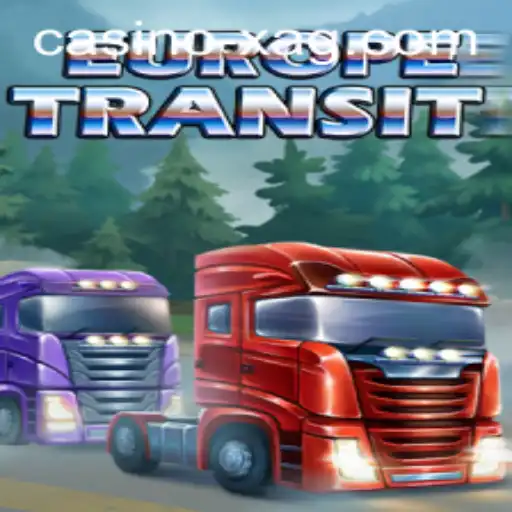
EuropeTransit: Navigating the Intricate Network of Strategy
Introduction to EuropeTransit
In the bustling world of strategy gaming, EuropeTransit stands out as a riveting blend of wit, foresight, and tactical prowess. As players traverse a fictional yet familiar terrestrial landscape, they are tasked with mastering the complex transit networks of Europe while managing resources, making alliances, and facing adversaries. With its amalgamation of geographical challenges and strategy-building mechanics, EuropeTransit has quickly captivated a dedicated audience. This exploration into the game delves into the vibrant world it creates and the innovative mechanics that promise to keep players engaged.
Game Overview
EuropeTransit challenges players to manage and expand a network of transit routes across Europe. Aided by state-of-the-art cartographic graphics and an impressive array of gameplay mechanics, players must strike a balance between efficiency and expansion. Each decision, whether subtle or sweeping, can alter the intricate balance of regions, requiring a strategic mindset to cope with evolving scenarios.
The game begins with players selecting their starting hubs from major European cities. As CEOs of burgeoning transport empires, players deploy fleets, manage transit logistics, and optimize routes to ensure their network is the best connected and most profitable. Part of EuropeTransit's allure lies in its dynamic world that mirrors real-world geography, providing an educational twist to the strategic conundrum.
Rules and Mechanics
Objective
The objective of EuropeTransit is simple yet challenging: manage and expand your network to become the most prosperous transport entity in Europe. This requires careful planning, effective resource management, and keen attention to the tactical elements woven into the game’s fabric.
Game Components
EuropeTransit features a detailed map of Europe, virtual fleets of transit vehicles, resource tokens, and player boards. Digital components allow real-time updates on your network's performance, providing vital insights necessary for tactical decisions.
Gameplay Dynamics
Players take turns selecting actions from a set available each round, which include route development, fleet upgrades, and financial management. Route development allows players to connect two nodes on the map, which represent cities or logistical hubs. Successful connections can increase your leverage in the marketplace, but require resource expenditure.
Fleet upgrades offer players the chance to improve the efficacy and capacity of their transit options, reducing costs or increasing profits. Effective resource management involves budgeting for expansions while ensuring enough liquidity for unforeseen circumstances.
Strategic Elements
EuropeTransit integrates random event cards that introduce challenges or opportunities aligned with current events to reflect real-world economic or environmental factors. These events can influence market conditions, resource availability, or expansion possibilities, presenting players with new challenges or opportunities.
Victory Conditions
The game ends when a player reaches a pre-set point threshold, determined by their network's size, efficiency, and overall profitability. The winner is declared based on their performance in these metrics, demonstrating superior strategic planning and execution.
The Influence of Current Events
In a novel twist, EuropeTransit includes a dynamic event system that merges with contemporary issues or news trends. This innovative feature roots the game in reality, allowing current events to shape experiences within the game. For example, economic shifts, infrastructure developments, or geopolitical tensions can affect gameplay dynamics, challenging players to adapt their strategies.
Implementing the keyword through aspects resembling online interactions, such as discussion forums often available on platforms like ligabet.bet, enables players to strategize cooperatively, provide advice, or seek expertise from other enthusiasts. Such community-driven engagement widens the interaction beyond just the game's mechanics, offering a broader sense of interactivity.
Conclusion
EuropeTransit presents a robust strategy game, harmonious in its incorporation of educational elements and strategic depth. Armed with a compelling premise and enriched by its dynamic system that integrates current affairs into gameplay, it offers a diverse and rewarding experience. Through meticulous planning, anticipatory action, and adaptive prowess, players are elevated into a realm of challenges that continually evolves, ensuring that EuropeTransit's appeal is as enduring as it is immersive.